Microsoft is exploring a new category of AI-powered workplace devices that could change how office workers interact with digital assistants. The company has shown concept hardware that includes a wearable AI badge and a small desktop device designed to connect people with AI agents throughout the workday.
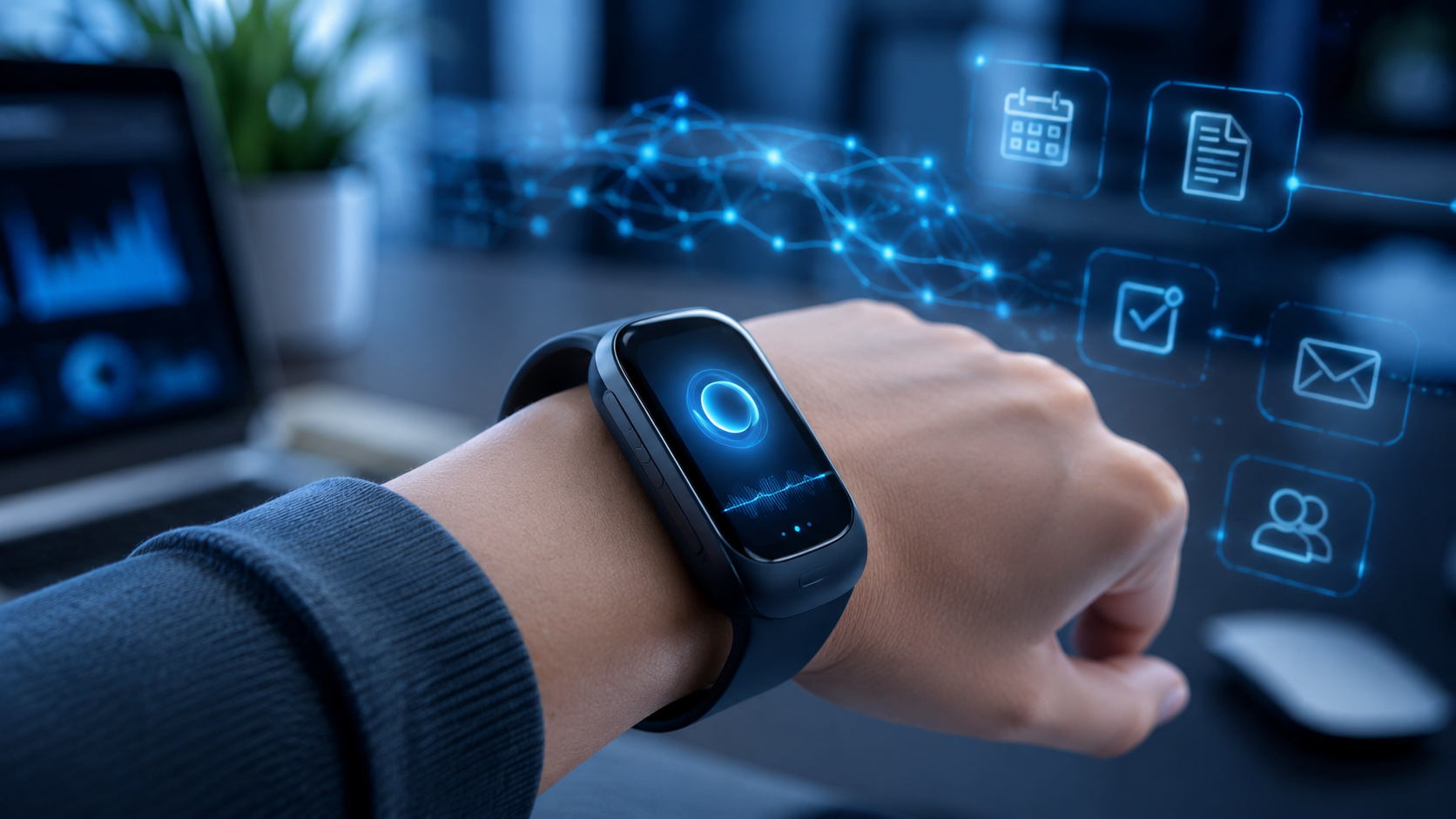
Why Is Microsoft Testing These Devices?
The main reason this news is important is that Microsoft appears to be thinking beyond the traditional laptop and desktop computer. CEO Satya Nadella described these devices as a new form factor, meaning a new physical way for people to use technology.
Microsoft already has strong AI tools inside its software ecosystem, including productivity apps, PCs, and developer platforms. A wearable badge or desk-based AI device could give workers faster access to AI agents without needing to open a laptop every time they want help with a task.
Key Points
- Microsoft is testing AI hardware concepts for workplace productivity.
- One concept is a small desktop cube with touch and voice controls.
- The second concept is a wearable AI access badge for mobile agent interactions.
- The devices are part of Microsoft's broader AI hardware exploration.
- A few hundred Microsoft employees are currently using the devices in pilot testing.
- Microsoft has not confirmed whether these products will be sold to the public.
- The wearable badge includes a camera, which may raise privacy questions.
Purpose of the Wearable AI Badge
The wearable badge is designed to make AI agents easier to access while someone is moving around an office or working away from their desk. Instead of switching back to a laptop, a worker could interact with the badge through voice, touch, or other quick controls.
In Microsoft's demonstration, the badge was activated with a fingerprint and used to capture images of an audience. The idea is that the device's camera could help AI agents understand the surrounding environment and then take useful actions based on that context.
What Are AI Agents?
AI agents are software assistants that can perform tasks with some level of independence. Instead of only answering a question, an agent may help complete a workflow, gather information, create files, summarize updates, or connect with other apps.
These tools are already common among technology workers, especially in software development. For example, AI agents can help write code, review technical information, or automate repetitive steps. Microsoft wants its new devices to make these agents available outside the normal PC screen.
Usefulness for Office Workers
For office workers, the biggest benefit could be faster access to workplace AI tools. A wearable badge could help someone check on AI tasks, capture information, or interact with work agents while walking between meetings.
The desktop cube could also be useful for people who want a dedicated AI assistant on their desk. Instead of opening multiple apps, users could speak to the device, tap its screen, and connect to Microsoft software or AI-driven workflows more directly.
Advantages
- Quick access to AI agents without always using a laptop or desktop.
- Useful for office workers who move between meetings, desks, and shared workspaces.
- Voice and touch controls may make AI interactions faster and more natural.
- The camera could help AI tools understand real-world context when needed.
- Integration with Microsoft software could make the devices more useful for business users.
Disadvantages and Concerns
The most obvious concern is privacy. A wearable device with a camera can create questions about when it is recording, what it stores, who can access the data, and whether people nearby know that the device is active.
Another challenge is whether workers actually need a separate AI gadget. Many people already use phones, laptops, tablets, smartwatches, and office computers. If Microsoft wants this type of device to succeed, it must offer a clear benefit that existing hardware cannot easily provide.
Cost, battery life, comfort, security, and workplace policies could also become important issues if the wearable badge ever becomes a real product.
Microsoft's Wearable Hardware History
Microsoft has tried wearable and mixed-reality hardware before. Its HoloLens headset was once seen as a major step into augmented reality, and it was even connected to a large military contract. However, after years of development and testing problems, Microsoft stopped producing HoloLens in 2024.
This history makes the new AI badge interesting. Microsoft is not simply making another headset. Instead, it appears to be testing a smaller and more workplace-focused device that could fit into everyday office routines more easily.
Impact on the Future of Work
If devices like this become practical, they could change how employees use AI at work. Instead of treating AI as a tool inside a browser or app, workers may interact with AI agents as always-available helpers connected to their environment.
This could increase productivity for some roles, especially where workers need quick summaries, task updates, meeting support, or automation. At the same time, it may also create new concerns about workplace monitoring, job automation, and how much control AI systems should have over daily tasks.
Why This Matters
Microsoft's AI badge matters because it shows that major tech companies are searching for the next major device category after smartphones, laptops, and headsets. AI agents are becoming more powerful, but companies still need better hardware for using them in real-world situations.
The announcement also arrives at a time when AI is already affecting jobs, software development, and workplace productivity. A wearable AI device could make AI assistance more visible and more constant in professional environments.
Conclusion
Microsoft's wearable AI badge and desktop AI device are still experimental, but they show where workplace technology may be heading. The company wants to understand how people might interact with AI agents beyond the laptop screen.
The idea could be useful for office productivity, but success will depend on privacy protections, real-world usefulness, comfort, security, and whether employees actually want another AI-powered device in their daily workflow.
Source reference: BBC