Intel is working on a new plan to make affordable Windows laptops feel more premium. The project, called Project Firefly, takes inspiration from the smartphone supply chain and applies it to budget laptop design.
Intel's Budget Laptop Push
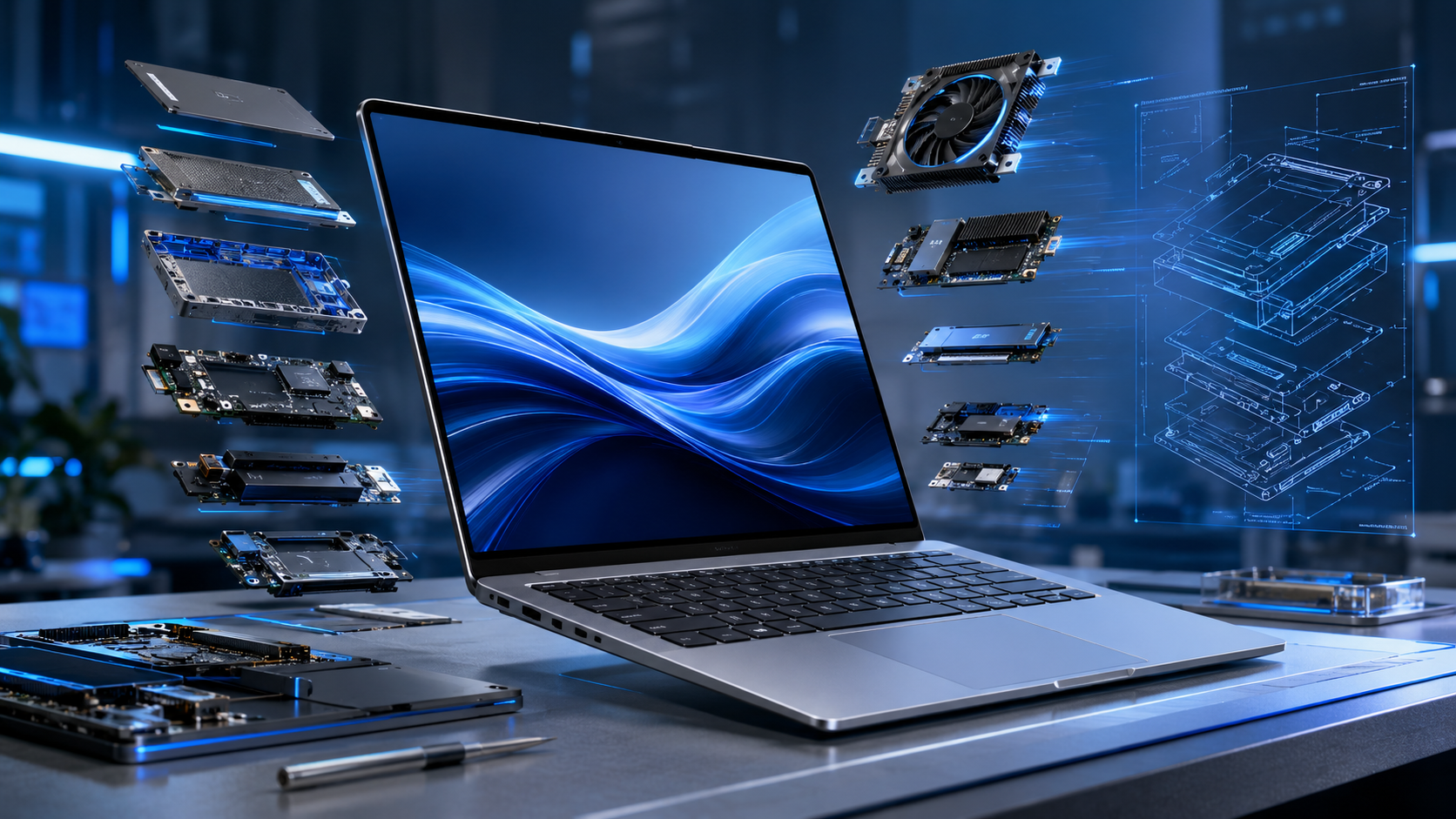
Project Firefly is Intel's attempt to help manufacturers build thinner, cheaper, and more standardized laptops using Wildcat Lake chips. The idea is to reduce design complexity and manufacturing cost while still delivering a modern Windows laptop experience.
Instead of every laptop maker building fully custom parts from the ground up, Intel wants to borrow ideas from phone manufacturing, where standardized components and efficient assembly can keep prices lower.
Why This Is in the News
Budget laptops often feel cheaper because companies cut costs in design, build quality, display, cooling, or battery life. Intel is trying to change that perception by giving PC makers a more efficient blueprint for affordable devices.
The news also matters because low-cost laptops are facing pressure from Chromebooks, Arm-based machines, tablets, and Apple's cheaper MacBook strategy.
Purpose and Usefulness
The main purpose of Project Firefly is to make sub-$600 Windows laptops more attractive. These machines could be useful for students, office workers, families, and users who need a reliable computer without paying flagship prices.
If Intel and PC makers execute well, users could get thinner designs, better battery life, quieter cooling, and more polished hardware at prices that normally belong to entry-level systems.
Key Points
- Project Firefly targets cheaper Windows laptops with better design.
- The plan uses phone-style manufacturing and standardized components.
- Intel's Wildcat Lake chips are central to the project.
- The first official Firefly laptop is expected to come from Lenovo's Lecoo brand.
- The goal is to compete with Chromebooks, Arm laptops, and lower-cost MacBook options.
- Success will depend on pricing, battery life, display quality, and real-world performance.
Advantages and Possible Drawbacks
The biggest advantage is value. A more standardized design could lower costs and help cheaper laptops avoid feeling outdated or poorly built. It could also help manufacturers launch products faster.
The downside is that standardization can reduce uniqueness. If many brands use similar designs and components, budget laptops may start to feel alike. There is also the risk that low prices still lead to compromises in screens, speakers, keyboards, or storage.
Impact on the PC Market
Project Firefly could strengthen Intel's position in the affordable laptop market. If budget Windows laptops become thinner, quieter, and more polished, they may compete better against Chromebooks and inexpensive tablets.
It could also give PC makers a clearer answer to Apple's tighter hardware-software model, especially in regions where price is the most important buying factor.
Conclusion
Intel Project Firefly is not just about making another cheap laptop. It is about changing how affordable laptops are built. If the project works, users may see better-looking Windows notebooks at lower prices and with fewer compromises than before.
Source reference: Google News technology feed, Tom's Hardware, Digital Trends