Fitbit Air owners have found a simple way to make the screenless fitness tracker feel more like a traditional watch. Instead of wearing a Fitbit on one wrist and a regular watch on the other, some users are combining both into one hybrid setup using the Fitbit Air's band.
What Is the News?
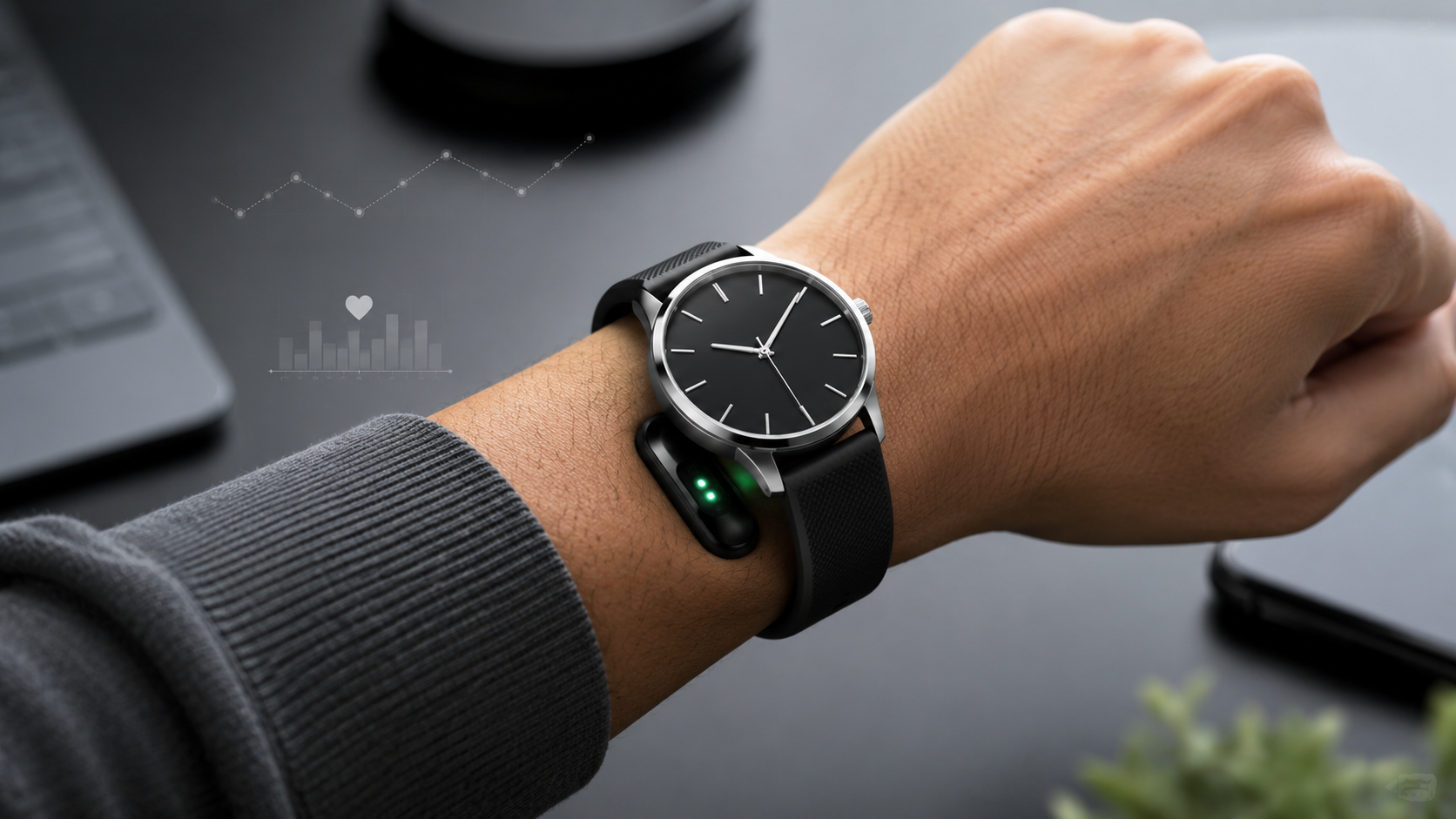
Some Fitbit Air users have discovered that the tracker's 18mm band can slide through the spring bars of certain traditional watches. This lets the watch sit on top of the wrist while the Fitbit Air sensor stays underneath, creating a single wearable that works as both a real watch and a health tracker.
The idea has been shared by users online, with examples showing Casio and Timex watches attached to Fitbit Air Performance Loop Bands. The result looks similar to a NATO-style watch strap, but with a fitness tracker built into the underside of the band.
Why Is This in the News?
This is in the news because the Fitbit Air is designed as a simple, screenless health tracker. It tracks health and fitness data without trying to replace a normal watch. That makes it attractive to people who like classic watches but still want modern wellness tracking.
The new band trick gives those users a practical middle ground. They can keep wearing a favorite analog or digital watch while still using Fitbit Air for background health tracking, sleep tracking, and activity data.
Purpose of the Fitbit Air Watch Setup
The purpose of this setup is to reduce wrist clutter. Many people do not want to wear a smartwatch and a normal watch at the same time. By attaching a traditional watch to the Fitbit Air band, users can keep both functions on one wrist.
It also fits the design idea behind Fitbit Air. Since the tracker does not have a display, it is meant to stay out of the way while quietly collecting health data. Pairing it with a real watch gives users the timekeeping experience they want without losing fitness tracking.
Key Points
- Fitbit Air users are turning the screenless tracker into a hybrid watch setup.
- The trick works by sliding the 18mm Fitbit Air band through the bars of compatible watches.
- Examples shared online include Casio and Timex watches attached to the Fitbit Air Performance Loop Band.
- The watch sits on top of the wrist while the Fitbit Air sensor stays underneath.
- The setup may work with watches that have a lug width of at least 18mm.
- Some users may need a larger Fitbit Air band depending on wrist size and watch thickness.
- The Fitbit Air sensor can still track health data from the underside of the wrist.
How the Band Trick Works
The method is simple. A compatible watch is removed from its original strap, and the Fitbit Air band is passed under the watch's spring bars. The watch face remains visible on top, while the Fitbit Air tracker rests below the wrist where it can continue collecting sensor data.
This will not work with every watch. The watch needs enough space between its lugs and bars for the Fitbit Air band to slide through. Watches with at least an 18mm lug width are more likely to fit, but comfort and security will depend on the exact watch and band size.
Usefulness for Watch Fans
This idea is useful for people who enjoy traditional watches but do not want to give up health tracking. A classic Casio, Timex, mechanical watch, or other simple timepiece can stay on the wrist while the Fitbit Air handles wellness data in the background.
It also gives the Fitbit Air more personality. Instead of being only a minimal tracker band, it can become part of a custom watch setup. For users who like accessories and personal style, that flexibility makes the device more interesting.
Advantages
- Users can wear a traditional watch and Fitbit Air on the same wrist.
- The setup keeps the screenless, low-distraction benefit of Fitbit Air.
- It is a simple customization that may not require special tools.
- Watch fans can keep using their favorite timepiece while tracking health data.
- The underside sensor position can still be suitable for health and activity tracking.
- It creates a more personal and stylish wearable experience.
Disadvantages and Concerns
The biggest limitation is compatibility. Not every watch will fit the Fitbit Air band properly. If the lug width is too small or the spring bars do not leave enough space, the band may not slide through safely.
Comfort is another concern. Adding a watch case to the Fitbit Air band may make the setup thicker or tighter than normal. Some users may need a larger band size to make the combination comfortable for daily wear.
There is also a small risk of damaging the watch, band, or spring bars if the setup is forced. Users should test carefully and avoid using valuable watches unless they are sure the band fits securely.
Impact on Wearable Customization
This trend shows that wearable users want more control over how their devices look and feel. Not everyone wants a full smartwatch with a bright display, notifications, and apps. Some users prefer a simpler tracker that works quietly with their existing style.
The Fitbit Air's screenless design makes it easier for people to experiment. If more users create custom watch-style setups, accessory makers may build dedicated bands, mounts, or adapters that make the idea cleaner and safer.
Why This Matters
This matters because it highlights a different direction for wearable tech. Many companies focus on making smartwatches bigger and more powerful, but Fitbit Air users are showing that some people want health tracking without another screen.
A simple band trick also makes the Fitbit Air more flexible than it may first appear. By combining it with a traditional watch, users can build a wearable that feels both modern and familiar.
Conclusion
Fitbit Air owners have found a clever way to turn the screenless tracker into a watch-friendly hybrid. By sliding the band through compatible watch bars, users can keep a traditional watch face on top while the Fitbit sensor tracks health data from underneath.
The setup will not work for every watch or every wrist, but it is a smart example of user creativity. For people who want fitness tracking without giving up their favorite watch, this simple modification could make the Fitbit Air much more appealing.
Source reference: Droid Life