Apple recently unveiled a significant overhaul of its intelligent assistant, Siri, now powered by the new Apple Intelligence at WWDC 2026. This reimagined Siri AI promises advanced capabilities and a more intuitive user experience, but its availability will be limited to a specific range of newer Apple devices. The announcement highlights Apple's strategic move to integrate sophisticated on-device AI, enhancing performance and personalization for eligible hardware.
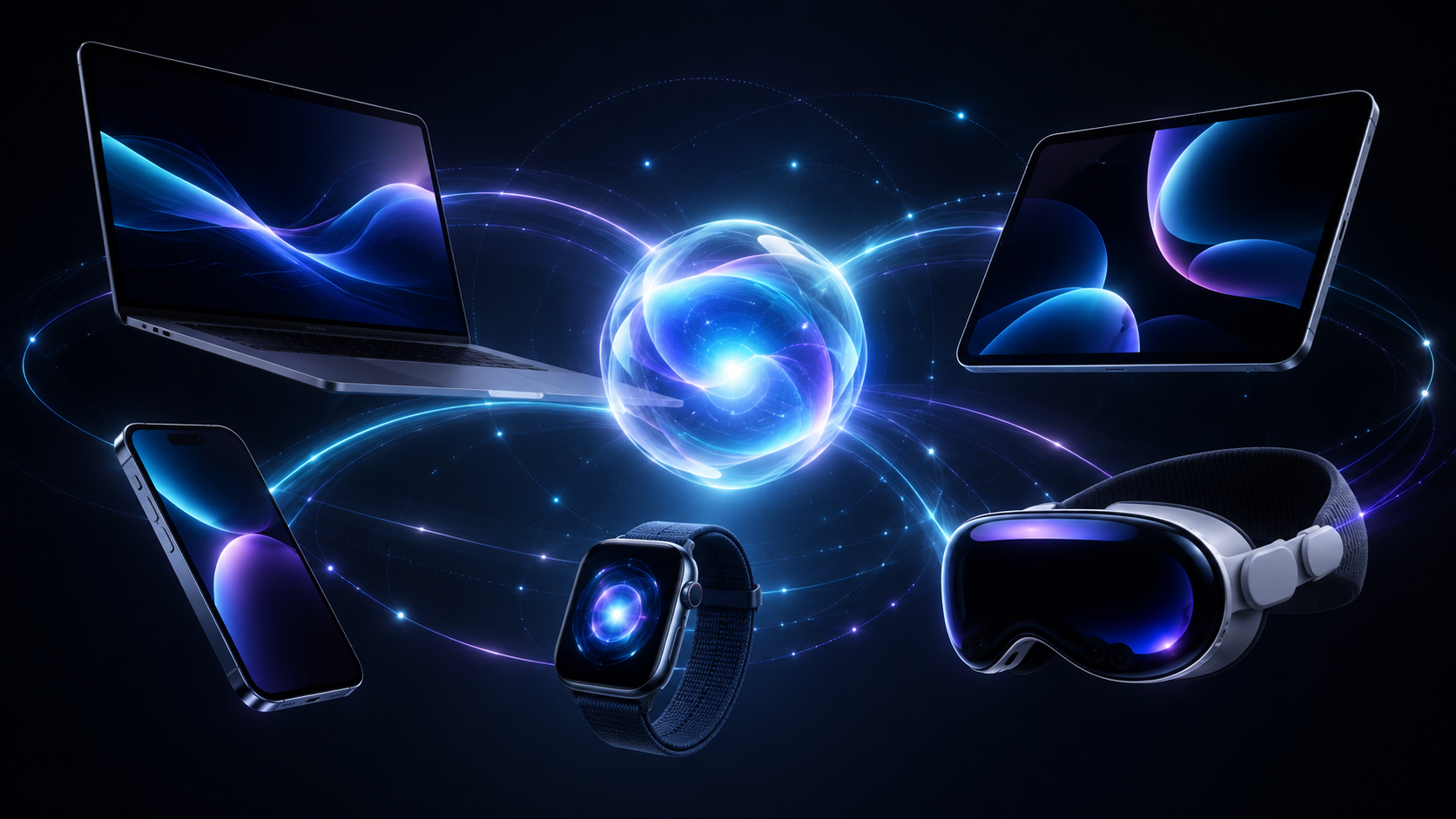
Key Device Compatibility
The new Siri AI, part of the upcoming iOS 27, macOS Golden Gate, and other operating system updates, requires specific Apple hardware due to the intensive processing demands of its on-device AI models. Users keen on experiencing the full suite of enhancements should check if their devices are on the compatible list.
Compatible devices include:
- iPhones: iPhone 15 Pro and newer models, encompassing the iPhone 16 series, iPhone 17 series, and iPhone Air.
- iPads: iPad Pro and iPad Air models equipped with an M1 chip or later, and the iPad mini featuring an A17 Pro chip.
- Macs: All Mac models powered by Apple silicon, specifically those with an M1 chip or later, including devices with the A18 Pro chip.
- Apple Watch: Apple Watch Series 9 and later, Apple Watch Ultra 2 and later, and Apple Watch SE 3, provided they are paired with an iPhone that supports Apple Intelligence.
- Apple Vision Pro: All existing models.
Next-Level Siri Capabilities
The revamped Siri introduces a host of features designed to make the assistant more "profoundly capable and personal." Key improvements include a redesigned user interface with a Dynamic Island-based dark theme and on-screen awareness, allowing Siri to understand context from what's displayed on the screen.
Other notable enhancements are:
- Improved dictation and personal context understanding.
- Integration of broad world knowledge and ability to perform app actions.
- Seamless integration with Spotlight on Mac.
- New functionalities like bill splitting and a "Write with Siri" feature.
- A dedicated Siri app and syncs chats privately across iCloud.
Why Specific Hardware is Required
While a broad range of newer devices will support Siri AI, some of its most advanced on-device features, such as fully customizable voice expressivity and pace, will be exclusive to the absolute latest hardware. This includes the iPhone 17 Pro, iPhone 17 Pro Max, iPhone Air, iPad models with M4 chip and at least 12GB of unified memory, and Mac models with M3 chip and at least 12GB of unified memory. This segmentation is due to the requirements for powerful on-device models that these specific configurations can handle.
Impact and Future Outlook
The introduction of Siri AI marks a significant step in Apple's artificial intelligence strategy, leveraging its own silicon for enhanced performance and privacy. The beta version is currently available, with a public release anticipated in the fall. However, Apple has confirmed that Siri AI will not be available in the EU or China at launch for iOS and iPadOS, citing compliance with the Digital Markets Act. This limitation highlights the complexities of global AI deployment and regulatory landscapes. The collaboration with Google Gemini for some aspects of Apple Intelligence also signals a hybrid approach to delivering powerful AI capabilities.
Conclusion
Apple's new Siri AI, powered by Apple Intelligence, promises a smarter, more capable, and contextually aware digital assistant. While this major upgrade brings exciting new features and a redesigned interface, potential users should verify their device's compatibility to ensure they can fully leverage these advancements. The phased rollout and regional restrictions underscore the ongoing challenges and strategic decisions in the rapidly evolving AI landscape.
Source reference: 9to5Mac, Let's Data Science